

Lose a War, Gain a Dollar

Have you noticed that after World War II, most U.S. wars are unusually long? The record is uneven, but what if that’s actually acceptable from a strategic perspective as long as prolonged conflict helps sustain U.S. dollar reserve hegemony?
When you look closely at post‑war aid, financial realignment, and the economic architecture that follows these conflicts, the pattern becomes harder to ignore.
More dollar demand.
For nearly a decade, the U.S. dollar’s share of global foreign‑exchange reserves followed a slow, steady downward trajectory. From 2019 through 2025, central banks diversified incrementally into euros, yen, gold, and even small allocations of yuan. The trend wasn’t catastrophic, but it was unmistakable: a gradual erosion of dollar dominance.
Then, unexpectedly, the curve bent the other way.
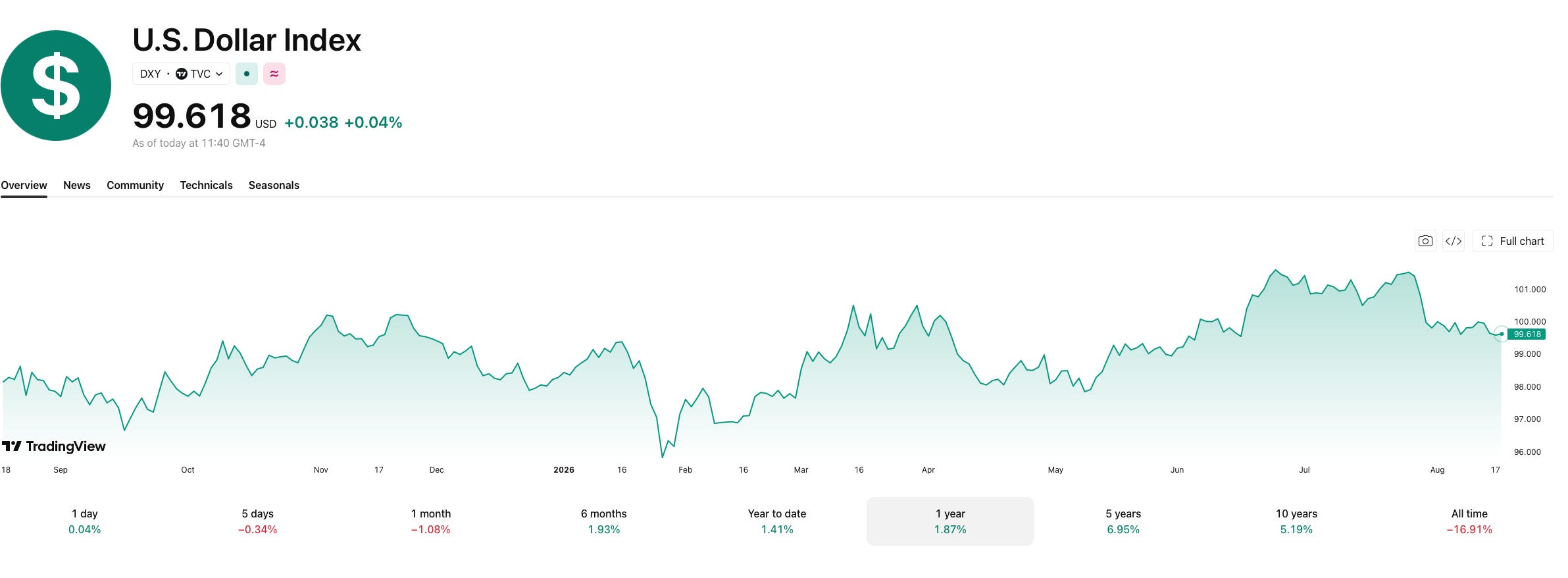
In early 2026, the dollar’s reserve share ticked upward for the first time in roughly seven years. The increase was modest from about 56.4% to 57.1% but symbolically significant.
After years of decline, the dollar had executed a U‑turn.
Did the Iran War Cause the Dollar’s Reserve Rebound?
The evidence supports a correlation, not a proven causal chain:
The dollar’s reserve share rose for the first time since 2019.
The rise occurred immediately after the Iran conflict began.
Safe haven flows increased during the conflict.
Oil related financial flows shifted toward dollar settlement.
This suggests the Iran war was a contributing factor.
We also need to consider the hedge: if the U.S. military‑industrial complex blunders into elongated conflicts, the economic incentive created by prolonged war might actually exceed the strategic need for victory. If that’s true, it fundamentally changes how we interpret the global theater not as a space where wars are fought to be won, but as one where duration itself becomes a form of leverage.