

My Muti Million Store of Value

One of the interesting characteristics of old banknotes and coins is that they possess an unusual form of asymmetry.
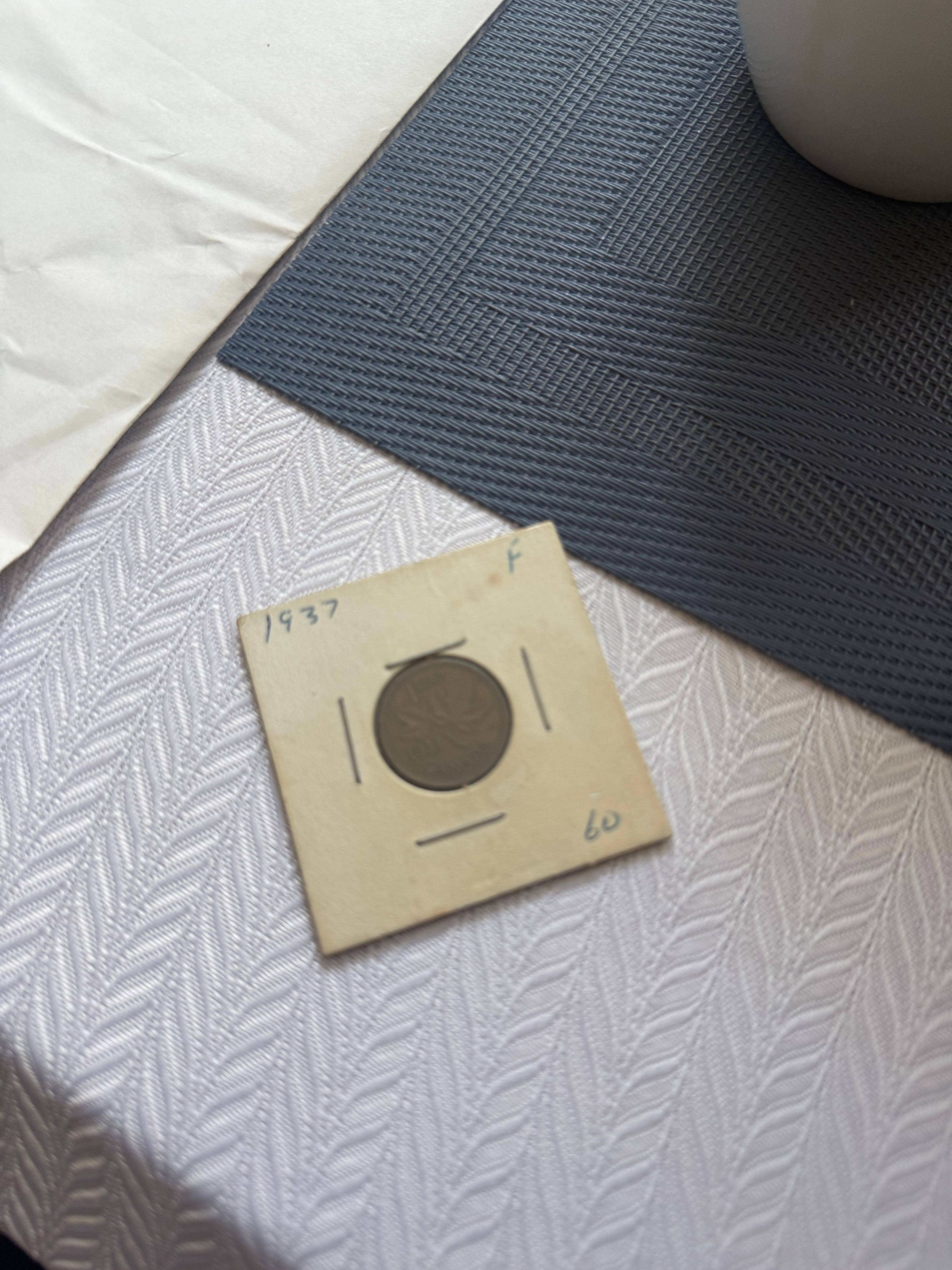
*turning penny’s to dollars - It’s made of bronze, with 95.5% copper, 3% tin, and 1.5% zinc. The 1937 Canadian cent is also listed as non-magnetic, weighing 3.24 g with a plain edge.
For decades they circulated as ordinary currency. Even after they ceased to be legal tender in 2021, the Bank of Canada continues to redeem them at their face value. In practical terms, that means the nominal floor remains intact.
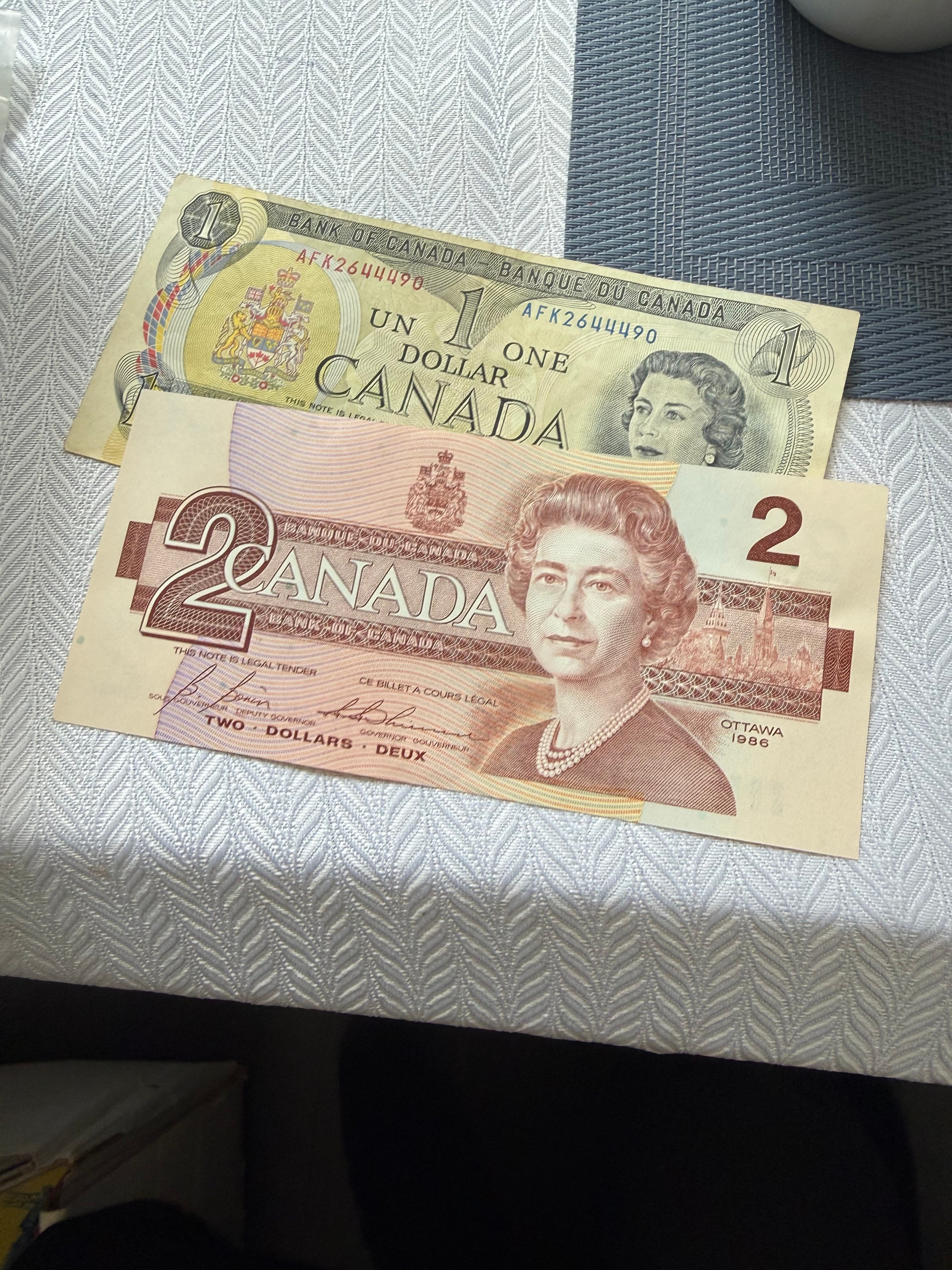
*double face value of legal tender
This creates an interesting dynamic.
Unlike many collectibles, the downside is largely defined by face value, while the upside comes from collector demand rather than monetary appreciation.
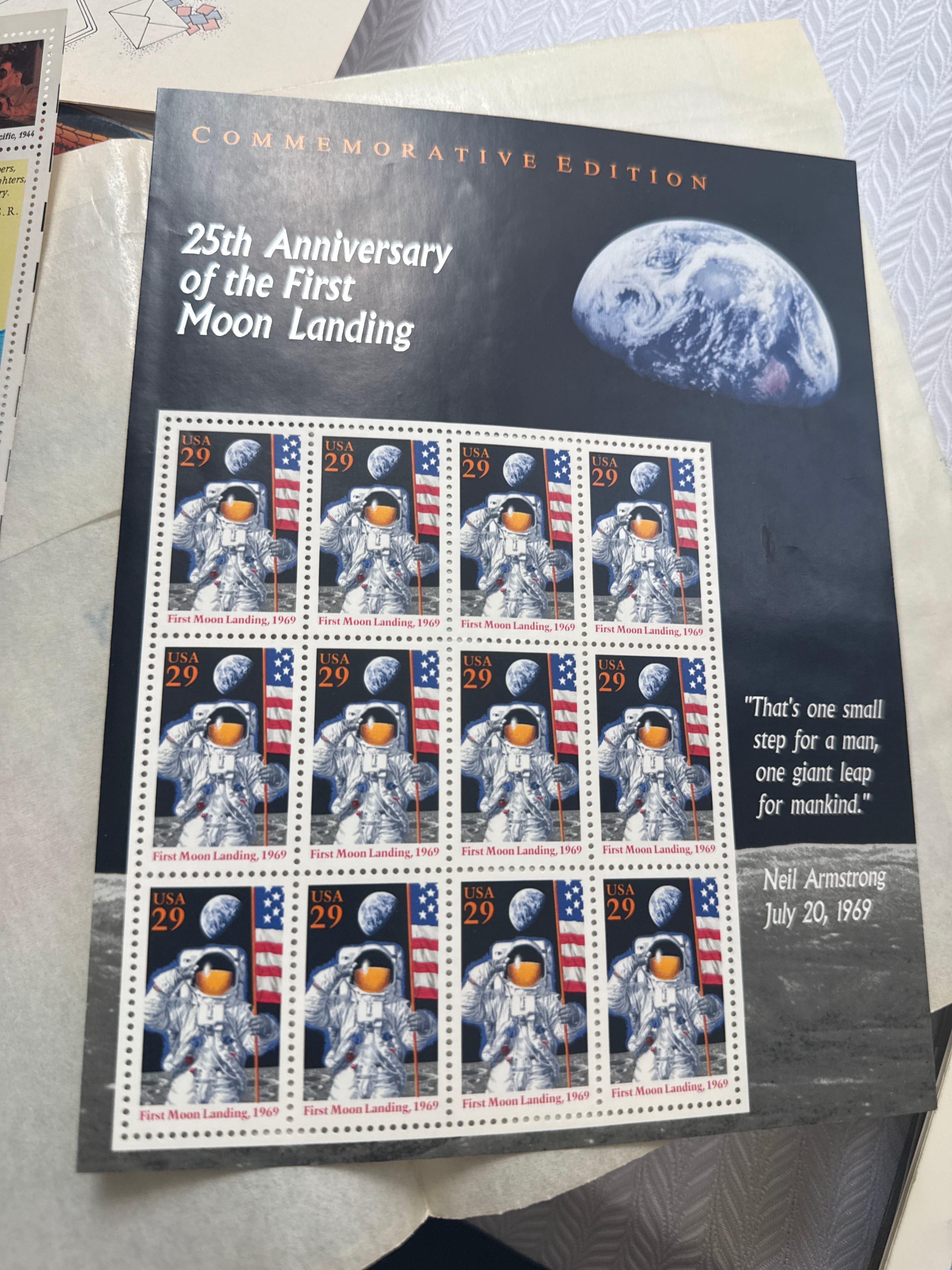
Most circulated notes are still worth only slightly more than their printed denomination. However, exceptional examples—can command meaningful premiums in the collector market.
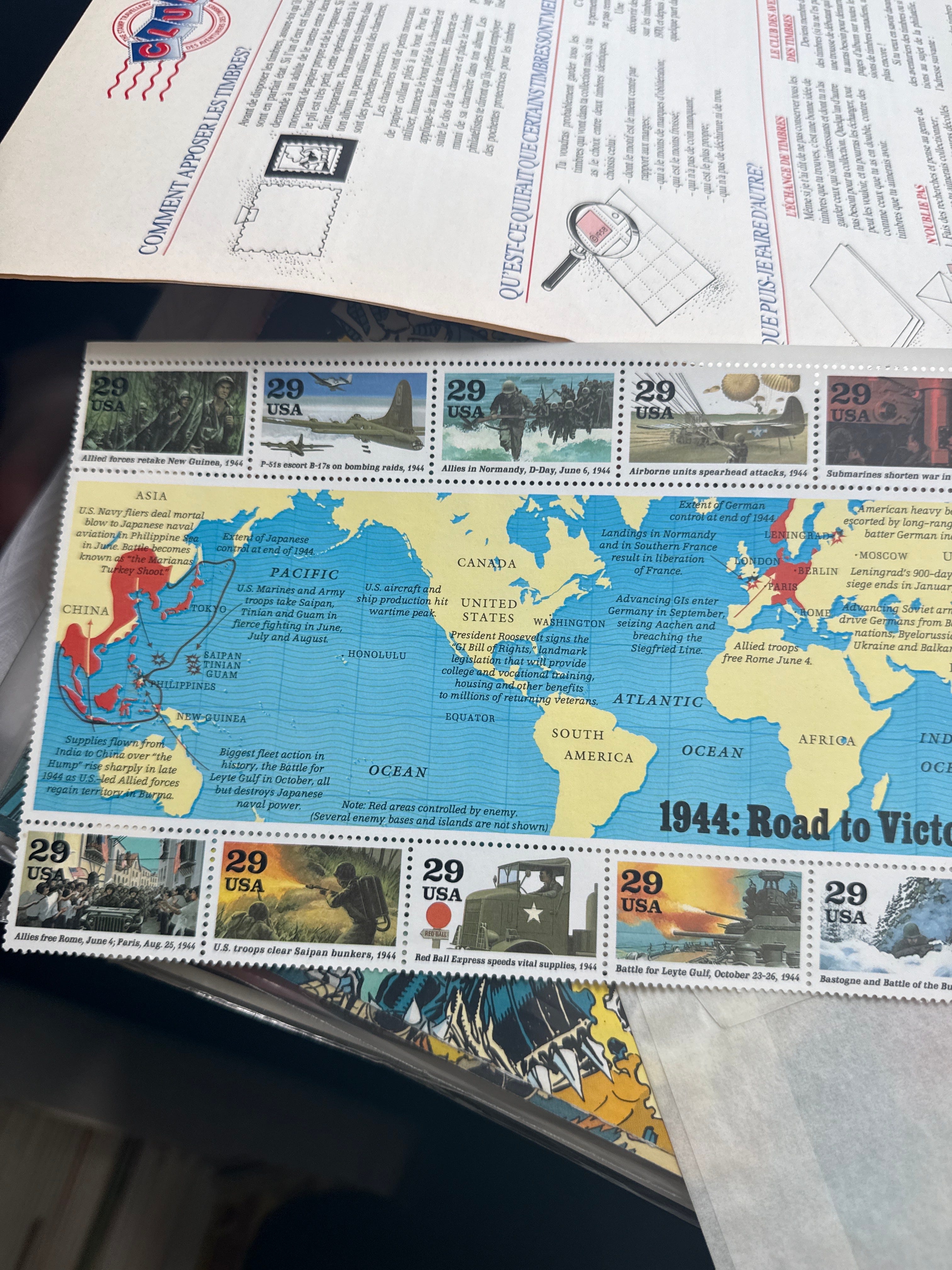
The investment thesis is therefore not that every old banknote becomes valuable. Rather, it is that every note retains a redemption floor while a small percentage acquire significant collector value over time.
This resembles owning an asset with embedded optionality.
If nothing special develops, the note retains approximately its face value. If scarcity, condition, or collector interest increases, the premium can expand substantially.
The key insight is that the return does not come from the currency itself appreciating. It comes from rarity emerging within a population of otherwise ordinary notes.
Sometimes the most interesting investments are those where the downside is well understood while the upside remains open-ended through scarcity rather than speculation.