Oil Wars Aren't New—They're Thousand-Year Old
“Don’t invest there. Don’t vacation there. Don’t send your kids. It’s not ‘unstable’—it’s engineered. Pull out, watch from afar, and let them sort their own hell. You’ll sleep better.”
Thousands of years: slow, ugly cycle of outsiders—Crusaders, Mongols, Ottomans, Brits, Americans—poking the Mideast, carving it up, then wondering why it bites back.
A pattern.
It’s a marathon of revenge, religion, and realpolitik.
Crusaders thought they’d hold Jerusalem forever—gone in two centuries.
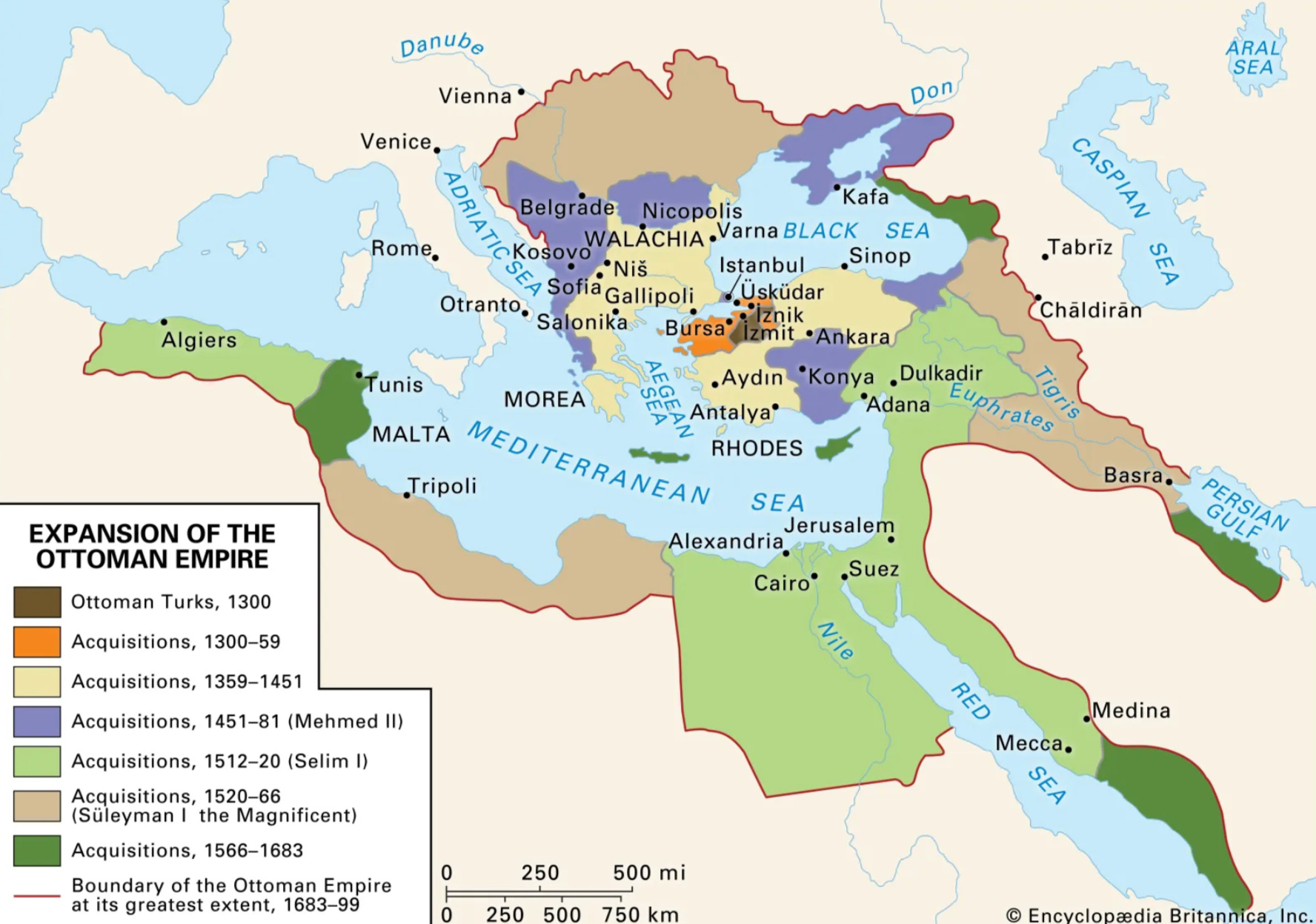
Ottomans ruled the Mideast for six hundred years—then crumbled.
America? We’ve been at it since 1953, and every ‘victory’—Saddam, Gaddafi, now Tehran—spawns the next monster.
When empires poke the Mideast, your gas bill pays the price.
That’s what Tehran’s smoke did to crude—because Hormuz is still the choke point, same as when Mongol horses trampled it in 1258.
You don’t need satellites; just read the map.
Crusaders, Ottomans, Brits, now us—keep trying to own it.
Iran’s missiles?
Just the latest way to say ‘not yours.’
Every time we bomb, they hit back: tankers, pipelines, refineries. Oil jumps.
You pay.
History laughs.
1095: Crusaders march east—first big Western grab.
1258: Mongols sack Baghdad—trade dies, prices soar.
1914: Brits seize Persian oil—WW1 fuel.
2026: US strikes, Hormuz closes—same playbook, drone edition.