

Peace Is No Piece of Cake: Yet They Want to Have Their Cake and Eat It Too?

Why is there continued kinetic activity in the Middle East while we are simultaneously told that Iran is seeking a deal, only for negotiations to collapse and the explanation to become that “hardliners” blocked an agreement?
If a hardliner faction exists within the Iranian regime, then why not properly embed that counterparty risk into the analysis rather than referring to “Iran” as a single unified actor?
The distinction matters because a government is not always a monolithic entity; different factions can have competing incentives, objectives, and risk tolerances.
The reason may be straightforward: those who initiate military activity often want to capture the strategic upside while limiting the downside consequences. They seek the benefits of pressure and leverage without fully absorbing the geopolitical risk that eventually flows into markets and portfolios.
For investors, the better approach is to incorporate all known information and properly price geopolitical uncertainty rather than relying solely on optimistic narratives around potential ceasefires or agreements.
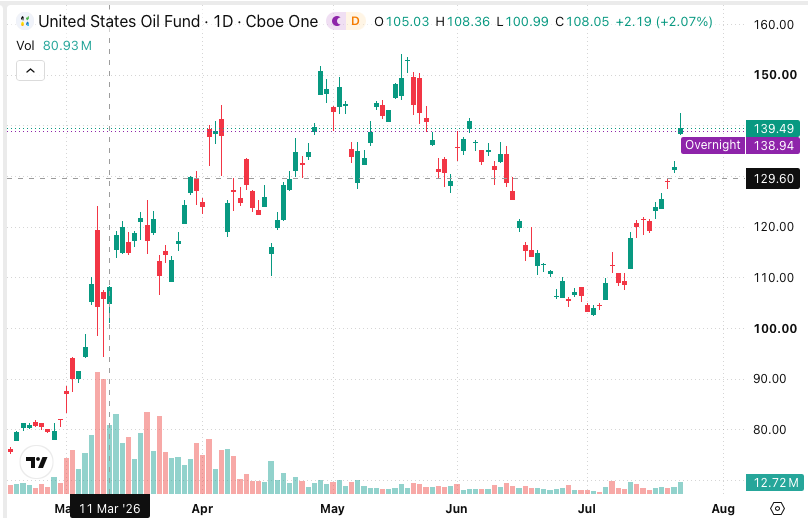
Interestingly, repeated references to possible ceasefires and diplomatic breakthroughs may have helped contain oil prices relative to where they might otherwise trade if markets were pricing a prolonged escalation without any expectation of resolution.
In other words, the market is not only pricing current events — it is pricing the probability of future outcomes.