The Donor’s Calculus: Why Portfolio Managers and Big Money Endure War Pullbacks (and Why the Market Still Finds Green Days at the Pivots)
Initial War Enthusiasm & The Dip Buy: Many PMs and influential investors strongly backed the war from day one, aggressively buying the initial market dip in anticipation of a swift, revolutionary resolution expecting a clean victory, rapid rebuild, and classic “buy the rumor” profits.
The Painful Reality & Shift to Value: As unintended consequences mounted and the conflict dragged into a protracted grind, the narrative pivoted from bullish conviction to defensive value investing hunting quality companies at a pullback while quietly reassessing how much drawdown they could actually stomach.
The Donor’s High-ROI Calculus: For major donors (often the same players managing big money), political contributions — e.g., $200M aggregate — are not charity but calculated investments expected to return multiple billions through steered.
The Endurance Threshold: Even the most sophisticated operators have a pain limit on market pullbacks. They want the ancillary benefits of the war and rebuild, but they also want the broader market to cooperate — they’re not willing to endure unlimited losses for their political bets..
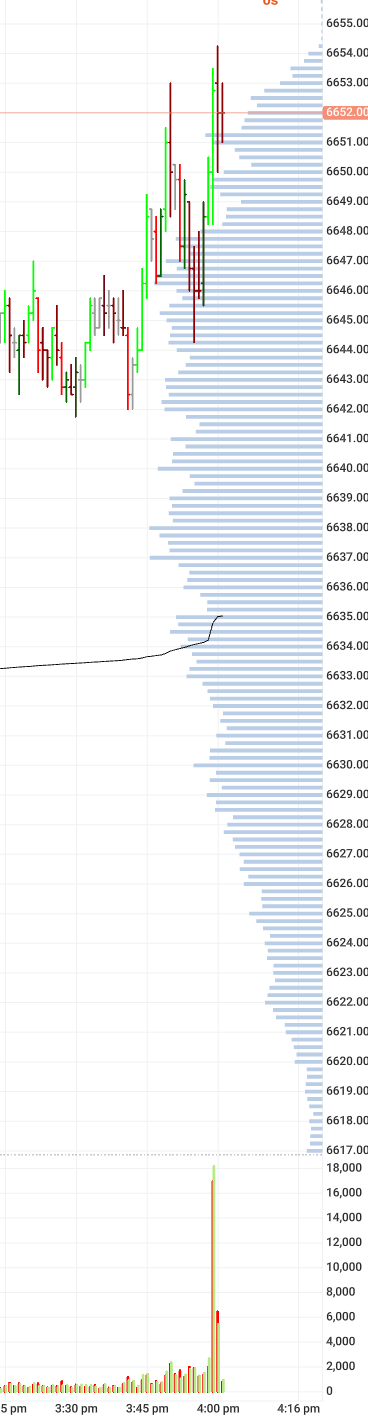
Green Days at Critical Pivots: This is why markets often find mysterious green days exactly at key inflection points in the war. The donor-investor class quietly aligns to protect their net-net position: policy wins secured + market downside capped. It’s outcome maximization in action, not coincidence.
Many portfolio managers (and plenty of people on the street) have supported this war from the beginning. They bought the dip the moment it was announced, convinced it would be a quick, almost revolutionary resolution. A clean win, a fast rebuild, and a textbook “buy the rumor, sell the news” setup.
Then reality set in.
Unintended consequences piled up. Supply chains snarled, inflation lingered, and the conflict dragged..
Suddenly the mantra shifted from “this is bullish long-term” to the more sober language of value: buy quality companies at a pullback. The same firms that piled into the initial dip are now hunting for discounted cash-flow machines, waiting for the market to price in the new, messier normal.
But there’s a threshold. Even the most conviction-driven investor can only stomach so much drawdown before the math stops working. And here’s where the story gets interesting—because some of the loudest voices aren’t just managing other people’s money. They’re also donors to the administration itself.
Let’s run the numbers the way a sophisticated operator would.
Say your aggregate political donations across both parties (but especially the current administration and Republican apparatus) total $200 million over the cycle. That sounds like a fortune to most people.
To the right kind of donor, it’s table stakes. Because you know not hope, know that the policies that flow back will deliver multiple billions in direct and indirect returns. Congressional aid packages get steered toward your industries.
Regulatory relief lands exactly where you need it. Contracts, tax treatment, energy policy, defense spending—all the ancillary benefits that never make the evening news but show up beautifully in your portfolio.
You understand the war itself carries costs. But you also see the net-net: the rebuild contracts, the redirected federal dollars, the political capital that gets spent in ways that favor the causes and companies you care about. It’s not charity. It’s one of the highest-ROI allocations on the board.
And yet—even the coldest calculator has a pain threshold.
You can endure a certain level of market drawdown, but you don’t want to endure too much. .
You want the war to serve your interests, yes. But you also want the broader market to hold up. Ideally, you want it all—your policy wins and a market that doesn’t punish you along the way.
This is why, at every critical pivot in the war, you see those curious green days.
It’s not random.
It’s the moment the donor class and the portfolio-manager class quietly align their interests again.
The pain threshold is being tested; the market starts to wobble; and suddenly the narrative shifts just enough—diplomatic language, aid announcements, hints of de-escalation or accelerated resolution—to give the tape a reason to breathe.
The same players who supported the war because the net-net math worked are the ones who also need the market to cooperate. They’re not ideological purists. They’re outcome maximizers.
They bought the dip expecting a revolution.
They got a protracted grind instead.
So they pivoted to value.
But they never stopped believing in the larger transaction: their political capital is an asset that pays dividends far larger than any single quarter’s mark-to-market pain. And when that pain threatens to become permanent, the market gets the green-light signal .Because the people who matter most have decided the cost-benefit equation is no longer working.
This isn’t conspiracy. It’s just sophisticated self-interest doing what it does best: pricing in both the visible costs of conflict and the invisible returns of influence. The war may be geopolitical theater to the public, but to the donor-investor class it’s a portfolio decision with political leverage attached.


